Support to Poor Students : a VFM analysis
A Value for Money Analysis of Australia’s support to Indonesia’s BSM programme
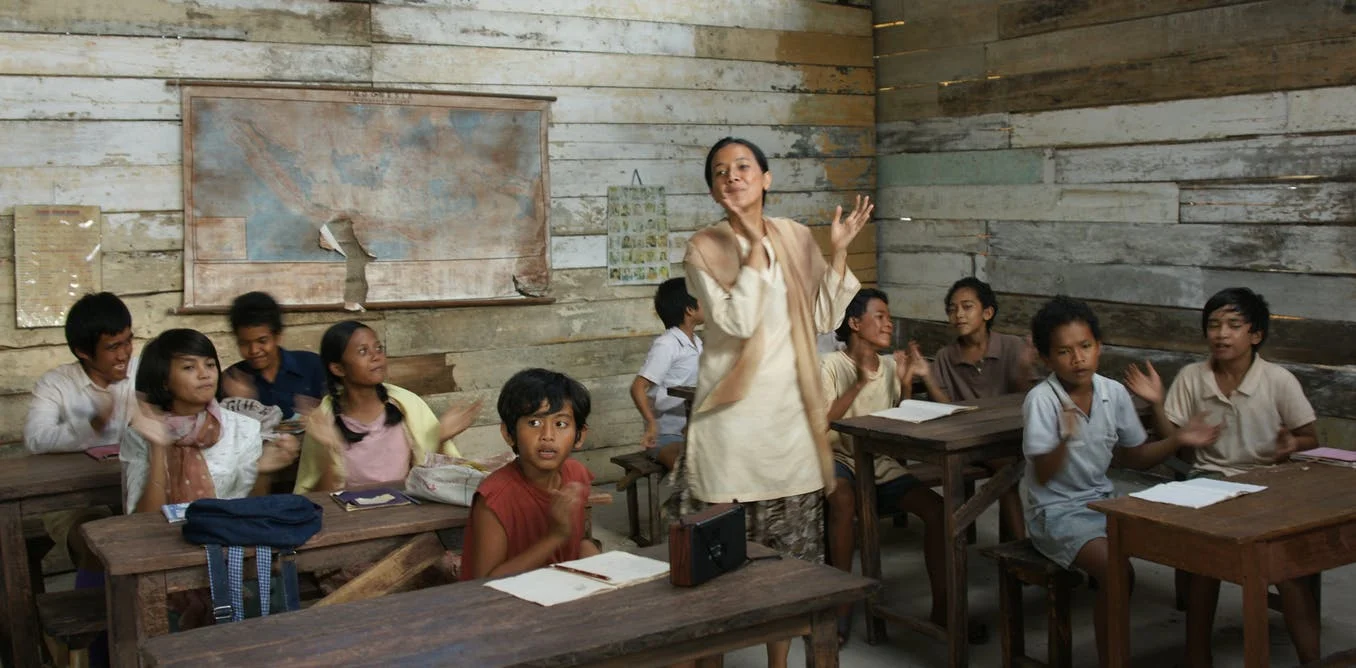
BSM is one of Indonesia’s key social programmes and is meant to support primary and secondary school children from the poorest households. Australia’ development aid funded a range of activities related to BSM, for a total cost over AUD 10 million, through The Indonesian National Team for the Acceleration of Poverty Reduction (TNP2K).
We were asked to lead the Value for Money analysis of this support. Between 2010 and 2014, after TNP2K’s interventions, the number of BSM beneficiaries more than doubled and the percentage of poor beneficiaries, rather than the not so poor, rose considerably, as well as the size of the total transfers. Social targeting significantly improved: from 13% to 44% of funds went to poor and vulnerable people (income deciles 1 to 4). The cost efficiency of the programme slightly decreased, yet still compared very positively with other social protection programmes internationally.
The conservative economic analysis in this VFM work shows that the incremental benefit of these interventions stands at about AUD 234 million a year. This adds up to a net present value (NPV) of close to AUD 1.60 billion in a 10-year period, an extremely high rate of return on DFAT’s investment. This means that for every dollar spent by DFAT, AUD 152 of welfare benefits were generated that would not otherwise have happened. At the same time, the high cost efficiency of the BSM programme has only been marginally affected by the reform.