Mitigating Economic Shocks on the Poor
A Value for Money of Australia’s support to Indonesia’s BLSM programme
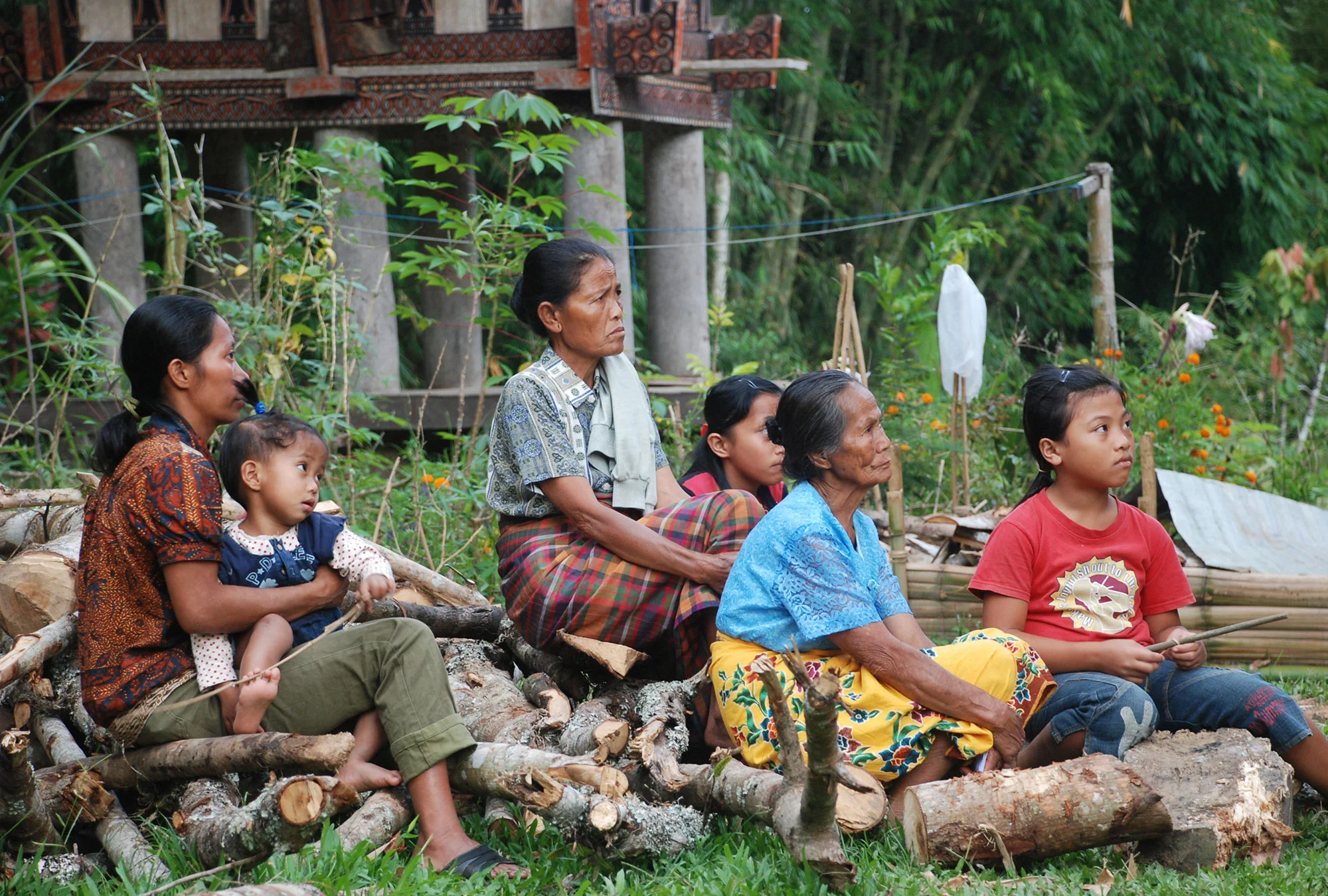
We led the Value for Money evaluation of Australia’s support to the critical BLSM social programme of Indonesia. This programme provides a short-term benefit to support poor households faced with sudden economic shocks. In 2005 fuel subsidy cuts raised household fuel prices by 125%. A direct cash transfer was implemented in four installments spread out across 12 months. A similar scheme was used in 2008 when international financial and food crises combined with another fuel subsidy cut. Yet on both occasions, beneficiaries and non-beneficiaries alike experienced both inclusion and exclusion errors, which led to social tension, protests, and allegations of corruption.
When executed again in 2013 and 2014, the BLSM scheme was modified to help address these targeting issues. Notably, the allocation of BLSM began to be based on household poverty information from a social database developed the government with foreign support.
Our work estimates the combined effects of better social targeting and fund reallocation. Future economic shocks will continue to threaten the poor and the BLSM scheme is likely to be used again. Based on a conservative hypothesis, we concluded that Australia’s investment of AUD 5.1 million on BLSM has supported a process of change whose NPV in five years of potential operations stands at AUD 2.48 billion, highlighting a very high return on investment. This means that for every AUD spent by DFAT, AUD 487 of welfare benefits were generated that would not otherwise have happened.