Understanding Social Exclusion in Indonesia
A meta-analysis of program Peduli’s theory of change
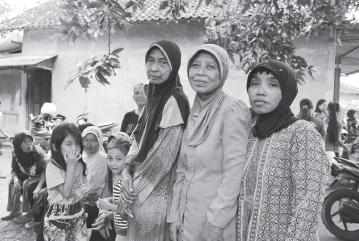
This study analyses the reports that resulted from 68 Theory of Change workshops held with NGO and CSO partners as part of the US$16.6 million DFAT-funded Peduli program in Indonesia. The program promotes social inclusion as a pathway out of poverty and is directed at six socially excluded groups: vulnerable children and youth, remote indigenous communities reliant on natural resources, discriminated religious minorities, victims of gross human rights violations, waria (transgender women), and people with disabilities. The objective of the study was to identify the most common types of social exclusion reported by the partners, the most significant actors involved in both exclusion and inclusion, and the types of social change that were envisioned as being most important in facilitating inclusion.
Whilst some commonalities are identified across the excluded groups regarding the circumstances and experiences of exclusion, and the elements required to work towards inclusion, it was recognised that every group has its own particular local context and particular experiences of exclusion which need to be addressed individually. Nevertheless, partners are shown to regard the increased fulfilment of human rights as central to reducing social exclusion in Indonesia, and that improving social acceptance, compared with improving policy, or access to services, is the most relevant starting point.