To Pandemic or Not?
Reconfiguring global responses to influenza
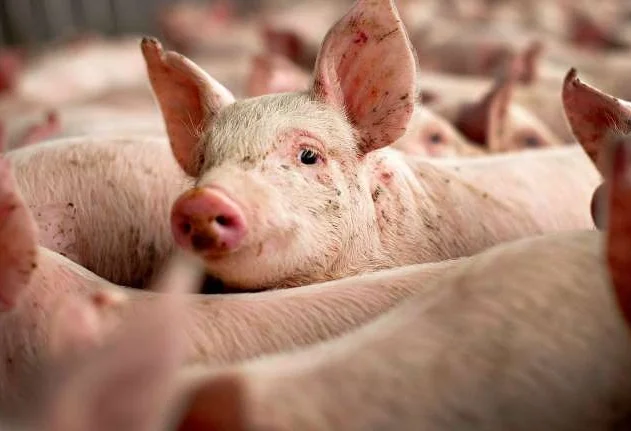
Examining the political economy of knowledge in responses to the 2009-10 influenza pandemic, this paper produced for the STEPS Centre at the Institute of Development Studies argues that globally, and in many individual nations, techno-scientific narratives constructed by bio-medical actor networks failed to correspond with the more variegated narratives of multifarious global publics, and so struggled to recruit support and maintain credibility and authority. With reductive narratives constructed by bio-medical actor networks confounded by the uncertainties intrinsic to the influenza virus, the complexities of the disease in individuals, and compromised by continuing ignorance, political and cultural forces became dominant and frustrated global response efforts.
In conclusion the paper argues that the world would be better protected by a re-ordering of pandemic preparedness and response efforts around the needs of the world’s poorest, most vulnerable, and most exposed people. A re-ordered response would allow the undue pre-eminence of pharmaceuticals to be examined, and bring into focus the pressing need for disease surveillance in animals, along with scrutiny of contemporary agricultural practices. A re-ordered response might also refresh the World Health Organization, which currently supports an inflexible and narrow set of interests by default rather than conspiracy, and encourage a broadening of research efforts. Preparing for an influenza pandemic means preparing for surprises and being ready to respond rapidly and flexibly under conditions of uncertainty. If people everywhere are to be engaged, plural and diverse response pathways are required.